


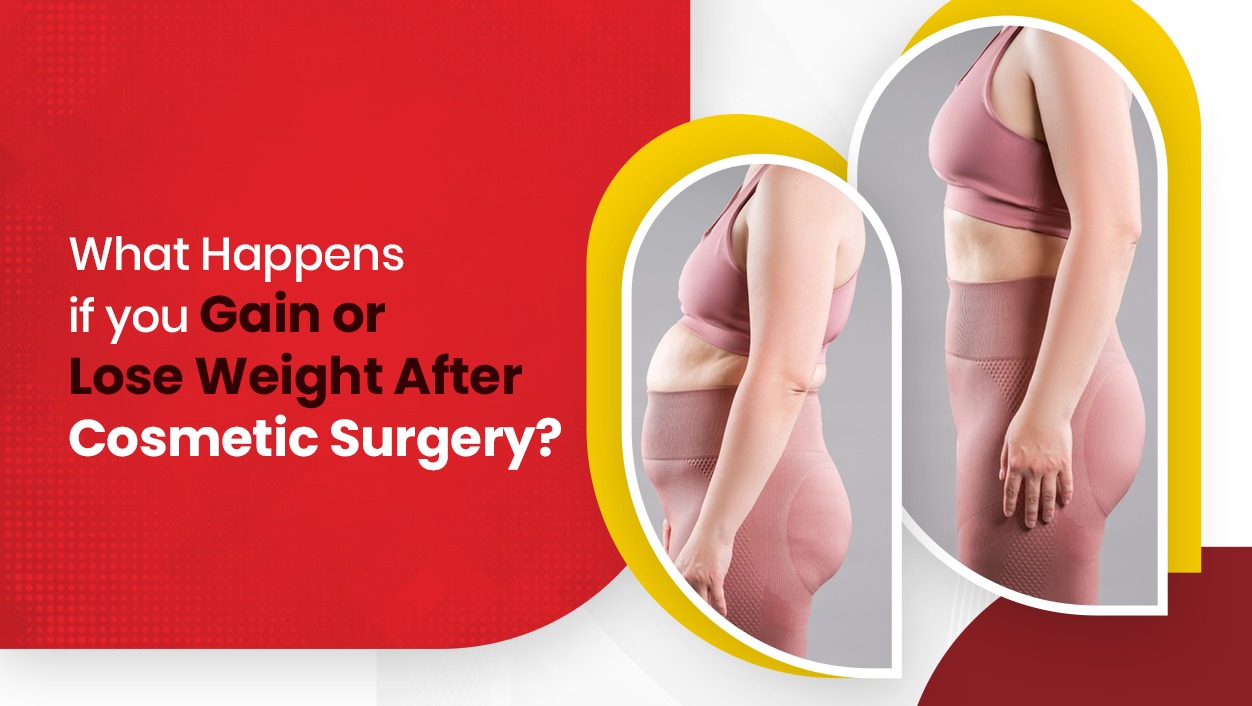
What Happens if You Gain or Lose Weight After Cosmetic Surgery?
Here’s how common procedures respond to changes in body weight over time. Weight Gain: Fat cells removed during liposuction don’t return, but existing ones can still enlarge. This causes uneven fat distribution and can distort body contours. Weight Loss: Mild loss improves definition, but extreme loss may make treated areas appear hollow or disproportionate. Weight Gain: Stretches the tightened skin and muscles, reversing contour improvements. Can also lead to new stretch marks or laxity. Weight Loss: Major loss after surgery can create loose skin again, especially if elasticity was already low. Weight Gain: Can make breasts appear fuller or alter implant positioning, especially if fat accumulates in breast tissue. Weight Loss: Natural breast tissue volume decreases, sometimes revealing implant edges or altering shape. Weight Gain: Can increase breast size again, undoing lift definition or causing sagging. Weight Loss: May enhance perkiness initially but too much loss can reduce volume, changing contour. Weight Gain: The fat cells transferred to the buttocks can expand, making the area appear larger or disproportionate. Weight Loss: Fat cells shrink, potentially reducing projection and contour smoothness. Weight Gain: The face may look fuller, reducing definition in areas like the jawline or cheeks. Weight Loss: Can cause loss of grafted fat volume, leading to hollowed areas or unevenness. Weight Gain: Adds bulk in surrounding untreated areas, diminishing contour definition. Weight Loss: Excessive loss may create mild skin laxity again. Maintaining a stable weight is critical after cosmetic surgery to preserve results, as large fluctuations impact skin elasticity, fat distribution and surgical outcomes. Surgical results last longest when supported by stable habits. A few disciplined choices can make a noticeable difference: Keep your weight steady: Aim to stay within a small range (about 2–3 kg) once recovery is complete. Sudden fluctuations can stretch skin or alter contours. Prioritise balanced nutrition and consistent activity: A routine of mindful eating and moderate exercise sustains tone and keeps fat distribution stable. Protect skin health: Hydration, collagen-supportive foods and quality skincare preserve firmness and texture. When to Consult Your Surgeon Stay in touch with your Plastic surgeon if you notice changes in shape, firmness or skin tone that differ from your initial results. Significant gain may stretch treated areas, while loss can reduce volume or create mild laxity. A follow-up consultation helps assess whether your results remain balanced or if a small revision would enhance symmetry and definition. Periodic check-ins help catch small changes early, allowing non-surgical adjustments before revision becomes necessary. Cosmetic surgery refines what’s already there, it doesn’t freeze your body in time. Maintaining stable weight is the best way to preserve those refined proportions, natural balance and the confidence you gained from your procedure. Surgery can refine the shape, but your lifestyle preserves the story it tells.Cosmetic surgery can sculpt, refine and restore, but it cannot freeze biology. The truth most people realize only months later is that the body keeps changing, even after a perfect recovery and a surgeon’s precise work. And nothing influences those changes more quietly or more powerfully than weight.
It is easy to assume that once the swelling fades and the results settle, the outcome is permanent. But the body does not see your surgery as an exception to its natural rhythm. Whether you gain a few kilos during a stressful year or lose weight through a new fitness routine, your tissues, fat distribution and skin elasticity will all respond. These shifts do not undo your surgery overnight, but they can gradually alter shape, symmetry and firmness in ways most patients do not expect.
Every cosmetic procedure, whether contouring the abdomen, refining facial structure or reshaping curves, is designed around the body’s proportions at that moment in time. When your weight changes, those carefully balanced ratios evolve too. The result is sometimes subtle, sometimes significant, but always worth understanding before it happens.
This is not a warning. It is perspective. Long-lasting aesthetic results are not only about what happens in the operating room but also about how you live afterward
Factors Influencing Weight Gain or Loss After Cosmetic Surgery
Weight changes after cosmetic surgery are more common than most people expect. The body continues to adapt and respond to everyday habits, lifestyle choices and even emotions long after the surgical recovery period is over. Understanding what drives these shifts helps set realistic expectations and ensures that your results last.
1. Lifestyle and Routine Changes
After surgery, many people change how they move, eat or rest. Limited physical activity during recovery, changes in appetite or a temporary pause in workouts can all contribute to mild weight gain. On the other hand, returning to an active lifestyle or adopting a stricter diet post-surgery may lead to gradual weight loss.2. Hormonal Fluctuations
Hormones play a major role in body composition. Factors such as stress, thyroid imbalance, menopause or contraceptive use can influence how the body stores fat or builds muscle. These natural shifts may subtly reshape surgical outcomes over time.3. Emotional and Psychological Factors
Surgery often brings renewed confidence, but it can also create emotional shifts that affect habits. Some people adopt healthier routines to maintain their new shape, while others may relax dietary discipline once satisfied with their appearance. Emotional eating, stress or lifestyle comfort can gradually alter body weight.4. Age and Metabolism
Metabolism naturally slows with age, which affects how efficiently the body burns calories. Even small changes in daily activity or diet can make a noticeable difference in body composition, impacting how results appear over the years.5. Medical and Genetic Predispositions
Certain medical conditions or genetic traits can predispose individuals to retain or lose weight more easily. Recognizing these tendencies with your healthcare provider can help plan realistic maintenance strategies post-surgery.The Science Behind Weight Fluctuations
Cosmetic surgery works with your existing tissues to create better proportion and contour, but it cannot prevent the body from responding to natural weight fluctuations. When body weight changes, fat cells, skin and connective tissues adapt, which can subtly alter the shape and balance achieved through surgery.
When you gain weight, the body increases fat storage in remaining fat cells. This expansion can soften overall definition and change the harmony between treated and untreated areas. The skin also stretches to accommodate new volume, which may reduce firmness or contour clarity over time.
When you lose weight, the opposite occurs. Fat cells shrink, volume decreases and skin may appear slightly looser, especially if elasticity is limited. These changes can make results appear less defined or refined, even though the surgical correction itself remains intact.
In essence, surgery shapes the body at a particular point of balance. Sustained weight stability helps maintain that proportion, while frequent fluctuations can alter the visual outcome over the long term.
How Weight Changes Affect Cosmetic Surgery Results
1. Liposuction
2. Tummy Tuck (Abdominoplasty)
3. Breast Augmentation
4. Breast Reduction or Lift
5. Brazilian Butt Lift (BBL)
6. Facial Fat Grafting
7. Body Contouring Procedures (Arm, Thigh or Back Lifts)
How to Maintain Long-Term Results
Conclusion